
Table of Contents
ToggleThe Legal Consequences of Cheque Bounce and Why It’s a Crime
Are You Familiar With the Legal Consequences of Bounced Cheques? If not, don’t feel alone as many are unaware of its serious repercussions and consequences – including legal action and lasting ramifications on financial credibility. This article will give an in-depth understanding of these consequences as well as why cheque bouncing is illegal.
Table of Contents
- Introduction
- What is a bounced cheque?
- Reasons for a bounced cheque
- Legal consequences of a bounced cheque
- Criminal liability
- Civil liability
- Steps to take after a cheque bounce
- Prevention of cheque bounce
- Legal remedies available to the payee
- Filing a criminal case
- Filing a civil suit
- Legal remedies available to the drawer
- Conclusion
- FAQs
Introduction
Cheques are an increasingly common payment method; however, when one is dishonoured due to insufficient funds by a bank and returned unpaid as “bounced cheque”, this can create serious inconvenience as well as legal ramifications.
What Is a Bounced Cheque?
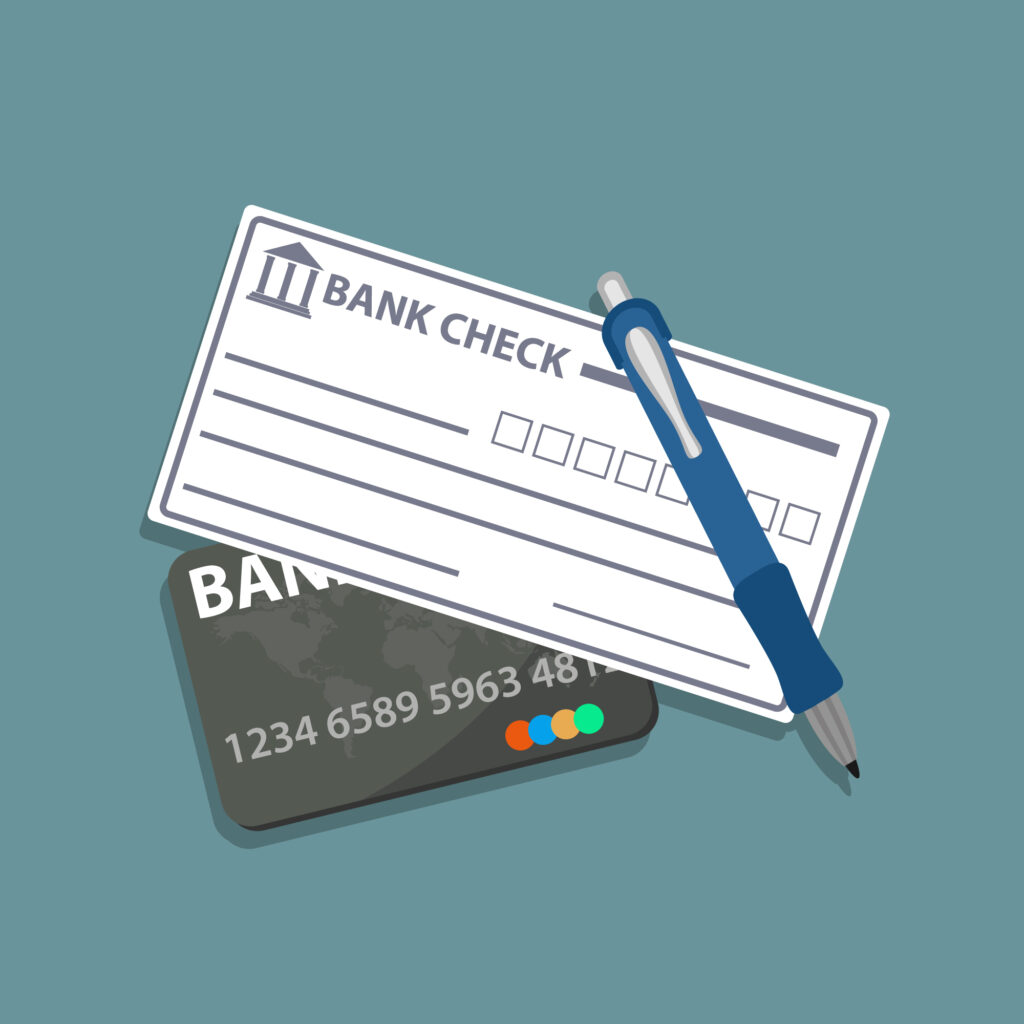
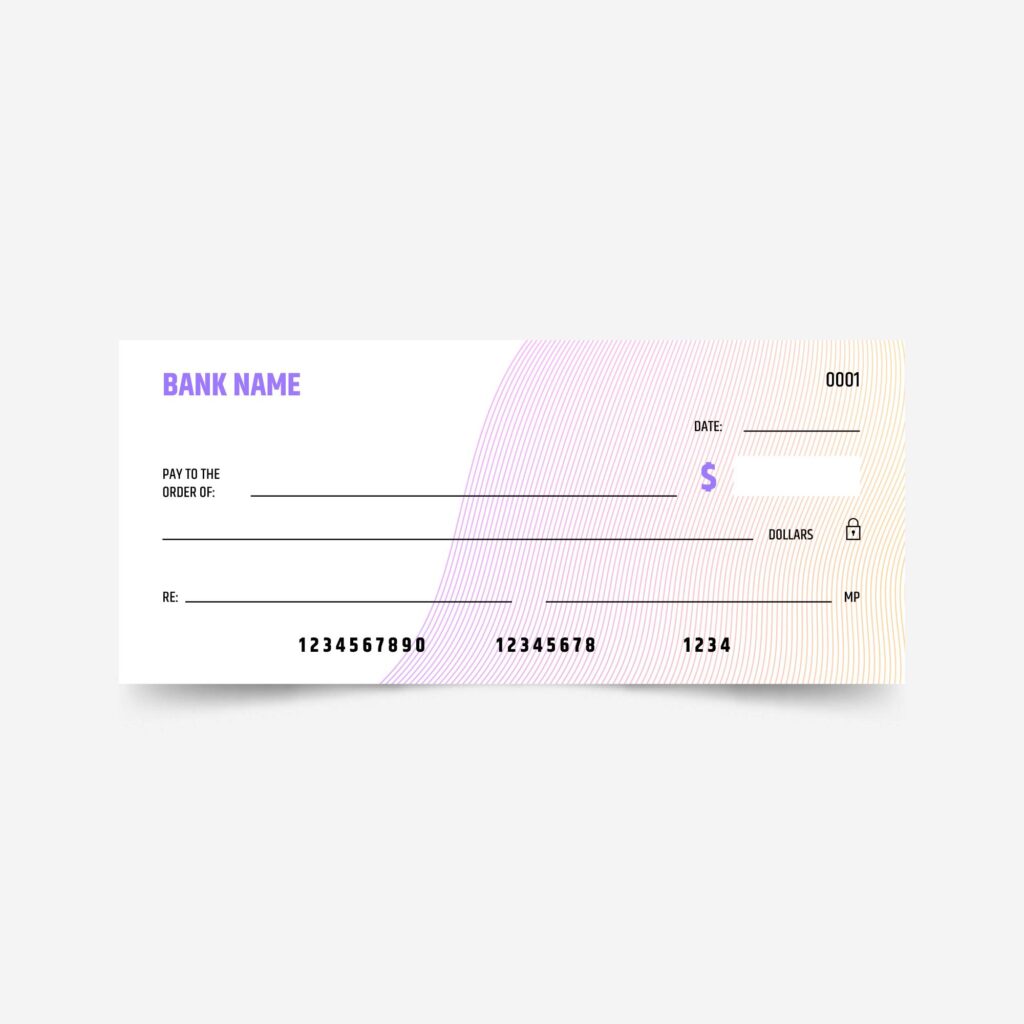
A “bounced cheque” refers to any check returned unpaid by a bank for various reasons, most commonly insufficient funds in your account; it could also occur due to mismatched signatures, incorrect dates or overwriting.
Reasons of Bounced Check
Multiple reasons can contribute to cheque bounces. Most commonly, an insufficient account balance is the source of trouble; other potential causes include mismatched signatures or overwriting’s as well as incorrect dates or postdated cheques.
Legal Consequences of Bounced Checks
Bouncing checks can have both criminal and civil repercussions.
Criminal Liability
Under Section 138 of the Negotiable Instruments Act, when a cheque bounces it constitutes a criminal offense that may incur imprisonment of up to two years and/or monetary fines (whichever applies). A payee can file criminal charges against its drawer. This could result in imprisonment up to two years or both for their action.
Civil Liability
Alongside criminal liability, cheque drawers may also face civil repercussions for their action. A payee can file a civil suit to recover what is owed them from them, with court ordering them to repay with interest and costs.
Steps to Take After a Cheque Bounce
After experiencing a check bounce, there are steps you should take immediately in order to protect your finances and avoid further problems.
If your cheque has bounced, the first step should be to contact your bank and determine why. After finding out why, inform both parties and arrange payment of any outstanding amounts as soon as possible; failing this, the payee could initiate legal proceedings against you.
Avoidance of Cheque Bounce
To prevent cheque bounce, it’s essential that your account maintains sufficient funds. Furthermore, ensure your signature matches what’s on file at your bank and that the cheque has been filled out accurately without overwriting.
Legal Options Available to a Payee
If you are the payee of a bounced cheque, there may be legal remedies available to you.
Filing Criminal Charges
Under Section 138 of the Negotiable Instruments Act, you can file a criminal complaint against anyone responsible for writing out and cashing the cheque that bounced. Your complaint should be lodged within one month after learning about its appearance at your bank.
Filing a Civil Suit
While filing criminal charges is possible, filing civil suits to recover amounts owed can also be done as an additional way of legal recourse. A civil suit may even be filed after filing criminal charges has already been lodged.
Legal Remedies Available to the Drawer
If you are the drawer of a bounced cheque, there are legal remedies available to you. You can approach the payee directly for settlement or negotiate an alternative solution to resolve the matter. Communicating and discussing with them prior to taking legal action will likely prevent costly legal proceedings being necessary.
Conclusion
Bounced cheques can be more than an financial hassle; they can lead to serious legal ramifications for both the drawer and payee. Therefore, it is crucially important that both parties aware of potential legal implications are aware of them in order to take preventative measures such as maintaining sufficient funds, proper filling of cheques etc. in order to prevent cheque bounce.
FAQs
- Can a bounced cheque lead to imprisonment?
Yes, under Section 138 of the Negotiable Instruments Act, the drawer of a bounced cheque can face imprisonment for up to two years.
2. Can a payee file both criminal and civil cases for a bounced cheque?
Yes, the payee has the option to file both a criminal complaint and a civil suit for the recovery of the amount due.
3. Is it possible to resolve a bounced cheque issue outside the court?
Yes, it is advisable to communicate and negotiate with the payee to resolve the issue outside the court to avoid legal proceedings.
4. How can I prevent a cheque bounce?
To prevent cheque bounce, ensure there are sufficient funds in your account, fill the cheque correctly without any overwriting, and verify that the signature matches the one registered with the bank.
5. Can a bounced cheque affect my financial credibility?
Yes, a bounced cheque can have a negative impact on your financial credibility as it reflects poorly on your financial responsibility and reliability.
Follow Us On: Facebook Twitter
You May Also Like